

Case Study
Preparing for the Unexpected:
Crisis Communications at the NCAA Men's Final Four
How proactive planning and collaboration strengthened crisis communications for one of the nation’s largest sporting events.

Highlights
When tens of thousands of basketball fans gather for the NCAA Men's Final Four, creating an exciting experience is only part of the job. Behind the scenes, organizers must also prepare for the unexpected.
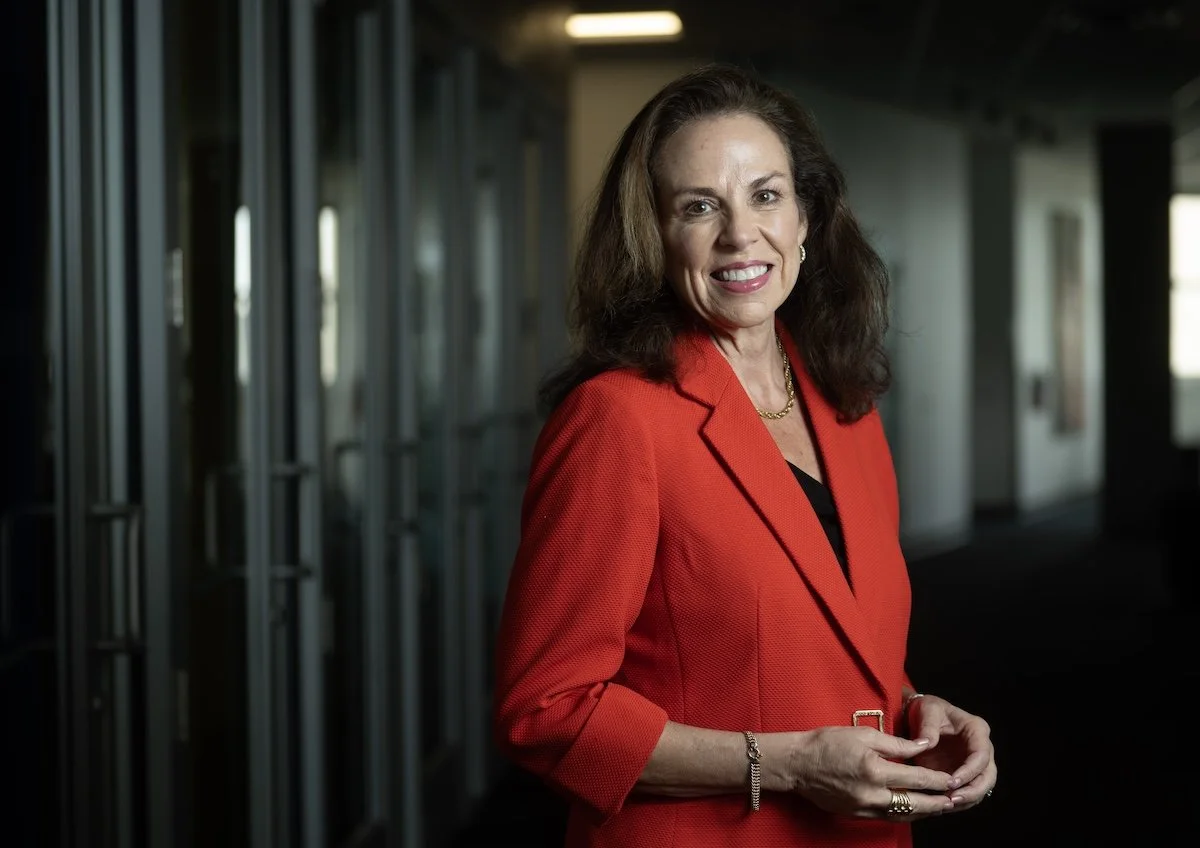
As San Antonio prepared to host the 2018 Men's Final Four, Mary Ullmann Japhet, then senior vice president of communications for San Antonio Sports, the local organizing committee, recognized a critical gap in the event's crisis communications planning.
The NCAA had an established crisis communications plan, and local law enforcement and emergency response agencies had their own procedures. But the communications teams from these organizations weren't working together through a unified process. Japhet knew that waiting until an emergency to establish those relationships wasn't an option.
Client Testimonials
-
![Charles Woodin Headshot]()
Charles Woodin, Geekdom
Mary is an amazing Public Relations professional. She has helped Geekdom over the last 6 years and has been great to work with. I highly recommend her to anyone that needs public relations help in and around the San Antonio area. She is top notch!
-
![]()
Jenny Carnes, San Antonio Sports
Mary is a true communications pro. She knows how to tell a story, connect with the media, and produce content that gets results. Mary’s expertise, creativity, and professionalism have made a lasting impact on San Antonio Sports, and any organization would be fortunate to have her in their corner.
-
![]()
Janet Holliday CE Group, Inc.
Mary is a true communications pro. She knows how to tell a story, connect with the media, and produce content that gets results. Mary’s expertise, creativity, and professionalism have made a lasting impact on San Antonio Sports, and any organization would be fortunate to have her in their corner.
-
![]()
Robert Miggins, Big Sun Solar
Mary is a proven PR and media veteran in greater San Antonio. If you need help securing interest for your idea/company/initiative, Mary can definitely help. She anticipates what you need to do and asks questions about your plans that you probably haven't thought of yet. And then when it's time to press GO, she can get the ear of print (SABJ, SA Express News), online (SA Report, Texas Tribune, others) or TV (local news channels). We've been super happy with our engagement.
-
![]()
Sara Key Bryant, Vice President of Marketing and Events, San Antonio Express-News
What sets Mary apart is her balance of precision and creativity. She respects and manages timelines, handles internal and external teams with ease, and ensures that every detail contributes to the overall success of the event. When Mary is producing, I have complete confidence that our show will be executed at the highest professional level.
-
![]()
Erik Christianson, Executive Vice President, NACDA
"I had the great pleasure to work directly with Mary on three NCAA Men's Final Fours... By far Mary is one of the most talented and strategic marketing and communications professionals with whom I've worked over the course of my career. She sees the big picture... and is enormously gifted at working with others while activating through a variety of platforms and initiatives to support a company or brand.


Bringing the Right People Together
Japhet took the initiative to bring the right people together and help develop a plan that would ensure everyone knew who to contact, who could speak publicly and how information would be shared if a crisis occurred.
Working with Erik Christianson, her counterpart at the NCAA, she identified key communications representatives from the San Antonio Police Department, San Antonio Fire Department, FBI and other public safety agencies.
In-Person Collaboration: A series of meetings brought communications representatives from each agency together to build relationships, establish clear lines of communication and understand their roles in an emergency.
A Clear Chain of Command: Japhet compiled contact information and worked with the NCAA to set a chain of command for different emergency scenarios.
Defined Roles: The plan outlined who would take the lead, when information should be shared and which organization would speak on behalf of those involved.
Just as importantly, it gave everyone the opportunity to get to know the people they might need to call during a crisis.
Preparing the Public, Too
A key part of the planning involved helping fans understand what to expect before they arrived.
During Final Four week, organizers held a public safety and transportation press conference to share information about security checkpoints, clear bag policies, street closures and transportation options. The goal was to keep messaging simple and practical: fans needed to know how to prepare, where to go and what to expect without feeling overwhelmed by security concerns.
Throughout the event, Japhet also coordinated media communications, responded to interview requests and provided updates to help keep information flowing. While the crisis communications plan was never formally activated, the participating organizations were prepared to coordinate their response if needed.
An Approach That Lasted Beyond 2018
When San Antonio welcomed the Men's Final Four again in 2025, coordinated crisis communications had become an established part of event preparations. Communications professionals were included in crisis tabletop exercises, where public safety agencies worked through hypothetical emergencies and practiced how information would be shared with the media and public.
What started as a proactive effort to close a communications gap in 2018 had evolved into a more formalized planning process. The lesson: effective crisis communications don't begin when something goes wrong. They begin with preparation, relationships and a clear plan.
"You don't wait until the crisis to prepare. You do it well in advance." — Mary Ullmann Japhet